
 See Our Latest Article on HelloNation
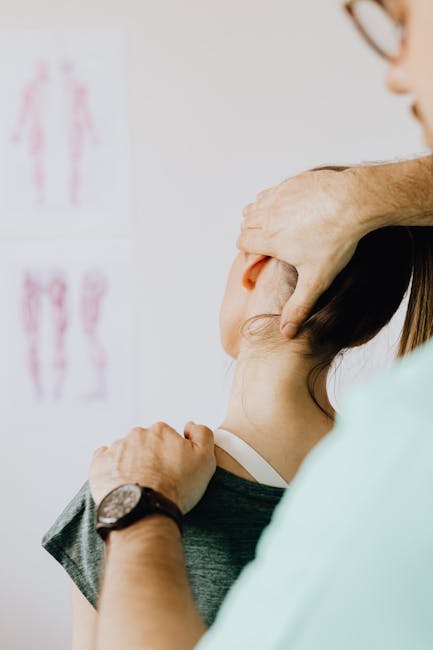
Living in Fallsburg, NY, means embracing both the natural beauty of the Catskills and the active lifestyle that comes with it. From afternoons hiking through our lush forests to bustling days spent at local shops, we rely on our bodies to keep up. Yet, aches and pains—like stubborn jaw discomfort or a stiff neck—can interrupt our routines and affect our quality of life. What many residents don’t realize is that jaw pain isn’t always just a dental concern; it can be closely tied to spinal health, especially the neck and upper spine.
Understanding TMJ and Its Widespread Effects
The temporomandibular joint (TMJ) connects your jaw to your skull. When this joint becomes inflamed or misaligned (a condition known as TMJ disorder or TMD), you might experience:
- Soreness or pain in the jaw
- Clicking or popping when opening your mouth
- Headaches and facial pain
- Earaches, dizziness, or ringing in the ears
- Difficulty chewing
- Neck and upper back discomfort
But how does a problem in your jaw impact your spine?
The Jaw-Spine Connection: Why It Matters
Your body is an interconnected system. The jaw and neck are particularly close partners, linked through muscles, nerves, and the alignment of the bones. Misalignment or dysfunction in one often affects the other.
Key Connections:
- The TMJ relies on proper alignment of the cervical (neck) spine to function well.
- Muscles that move the jaw (like the sternocleidomastoid, masseter, and trapezius) extend down into the neck and upper back.
- Nerve pathways, including the trigeminal nerve, can refer pain between the jaw, head, and neck.
If you’re clenching your jaw—a common response to stress, especially in busy lifestyles—muscle tension can travel down through your neck and even into your upper back. Similarly, a misaligned spine can put extra stress on your jaw, changing how your bite fits together and how your jaw moves.
Local Lifestyle: How Fallsburg Residents Experience Jaw and Spine Issues
Fallsburg locals balance many roles: hardworking professionals, outdoor enthusiasts, and devoted parents. Many of us spend hours behind a computer or steering wheel, take part in community sports, or do physically demanding work at farms or shops. These activities:
- Promote poor posture (leading to "tech neck" and rounded shoulders)
- Encourage teeth clenching or grinding, especially during stressful seasons
- Contribute to muscle strain from outdoor labor or repetitive tasks
The result? A higher risk of developing both jaw discomfort and spinal issues. It’s not just about pain; TMJ problems and spinal misalignment can interfere with sleep, concentration, and the ability to enjoy Fallsburg’s great outdoors.
Recognizing When Jaw Pain Is Really a Spine Issue
If you experience any of these, it’s time to consider the bigger picture:
- Persistent jaw pain that doesn’t improve with dental care
- Neck stiffness or headaches that come and go with jaw movement
- Clicking in your jaw combined with upper back tension
- Facial pain that radiates into your neck or shoulders
Often, these are signs of a musculoskeletal chain reaction—where one small problem cascades through interconnected tissues.
The Chiropractic Approach: Whole-Person Solutions
Chiropractors are trained to look at the body as a unified system. Rather than just treating symptoms, we seek the underlying source. Here’s how chiropractic care can help with jaw and spinal health:
- Postural Assessment: Identifying neck or upper back misalignments that may be impacting the jaw.
- Gentle Adjustments: Improving motion and alignment in the cervical spine and TMJ.
- Soft Tissue Techniques: Addressing tight muscles and trigger points in the jaw, neck, and upper back.
- At-Home Advice: Teaching stretches, relaxation techniques, and posture modifications suited to your daily life, whether you’re hiking a Catskills trail or sitting at your Fallsburg office desk.
At-Home Strategies to Support Jaw and Spine Health
You can take several steps between chiropractic visits to reduce jaw and spinal strain:
- Practice good posture—whether seated, standing, or walking
- Use a headset for phone calls, not your shoulder
- Warm up before lifting or outdoor chores; cool down with gentle stretching
- Relax your jaw—gently keep your lips closed and teeth apart when not eating
- Apply ice or heat to tense areas as recommended
Why Addressing Both Jaw and Spine Is Crucial
Ignoring TMJ and spinal symptoms can lead to chronic pain, sleep disturbances, and decreased productivity—a big deal when you want to fully participate in all that Fallsburg offers. By working with a chiropractor who understands this link, you target the root causes for lasting relief and get back to the lifestyle you love.
When to Seek Professional Care
If jaw or neck pain persists for more than a few days, worsens, or interferes with daily life, it’s best to consult a healthcare professional. Chiropractors collaborate with dentists, primary care doctors, and physical therapists to offer comprehensive solutions tailored to your needs.
Supporting Your Fallsburg Wellness Journey
Whether you’re a weekend hiker, an office worker in Monticello, or a Fallsburg parent keeping up with active kids, optimal jaw and spinal health help you move better, feel better, and live life to the fullest. Understanding how these two areas work together is the first step. Taking positive action—through self-care and the right professional guidance—can unlock relief and restore balance, allowing you to thrive in every season.
