
 See Our Latest Article on HelloNation
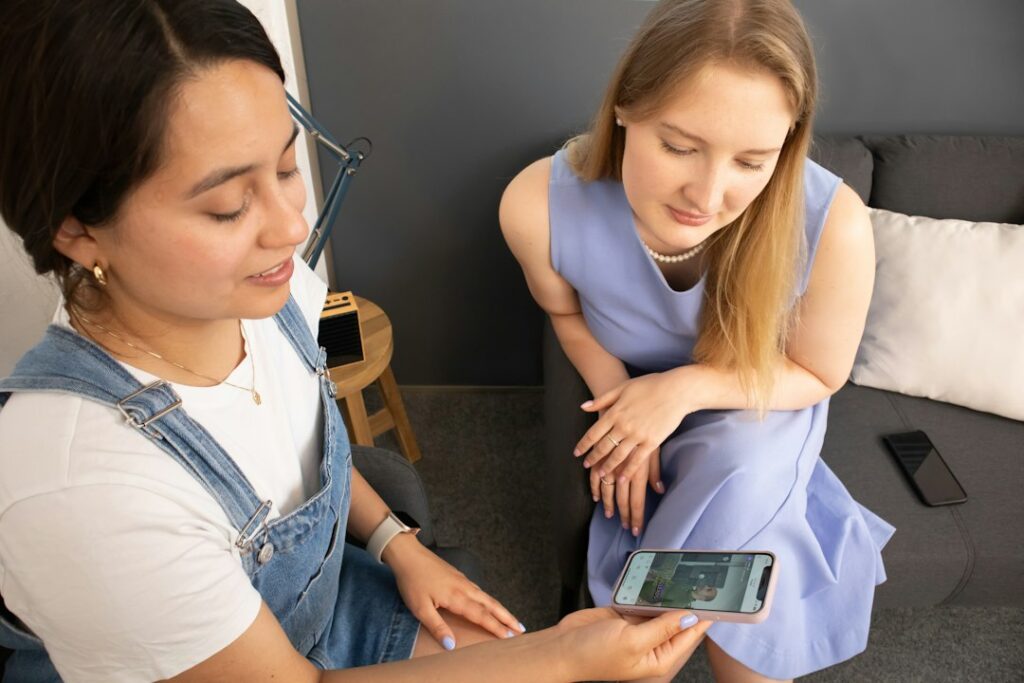
What does “texting thumb” usually mean?
Texting thumb is a common description for pain caused or aggravated by repeated thumb movements, gripping, swiping, or holding a phone in an awkward position. In some cases, the problem involves irritation of the tendons on the thumb side of the wrist, known as de Quervain’s tenosynovitis. In others, discomfort may come from thumb-joint arthritis, trigger thumb, muscle fatigue, or a wrist problem.
Typical symptoms include:
- Aching or sharp pain at the base of the thumb or along the thumb side of the wrist
- Tenderness when gripping, opening jars, lifting a child, or turning a doorknob
- Pain with swiping, typing, pinching, or moving the thumb away from the hand
- Mild swelling or a catching sensation
- Reduced grip strength
Texting alone is not always the sole cause. The total load on the hand matters, including computer use, gaming, household chores, driving, lifting, and seasonal activities such as shoveling or carrying heavy winter gear.
How can residents in Fallsburg, NY reduce irritation during phone use?
The most useful first step is to reduce the motions that provoke pain without stopping all hand movement. A short period of relative rest often helps irritated tissues settle.
Try these adjustments:
- Hold the phone with both hands instead of using one thumb for every task.
- Use the index finger for scrolling or typing when the thumb is sore.
- Use voice-to-text for longer messages.
- Support the phone on a table, pillow, or stand rather than gripping it continuously.
- Keep the wrist as straight and relaxed as possible.
- Increase text size so the phone can be held farther away.
- Take brief movement breaks every 10 to 15 minutes during extended scrolling or messaging.
- Avoid pressing the thumb forcefully into the screen.
A larger or heavier phone can increase the effort required to hold it, especially when the wrist is bent. A case with a secure grip may reduce squeezing, but any accessory that causes the wrist to stay twisted or the thumb to reach repeatedly may make symptoms worse.
During colder months, local residents may spend more time indoors using phones, tablets, and game controllers. Cold hands can also feel stiffer, so warming the hands gently before extended activity may make movement more comfortable. Gloves, snow tools, and repeated gripping during winter chores can add to the same strain.
Should the hand be rested or stretched?
Relative rest is usually more helpful than complete immobilization for mild symptoms. Avoiding painful activities for a few days can reduce irritation, but keeping the hand completely still for a long period may lead to stiffness and weakness.
Gentle movement should stay within a comfortable range. For example, slowly open and close the hand, move the wrist through a small pain-free range, and gently touch the thumb to each fingertip. Stop if a movement causes sharp pain, increasing swelling, or lingering soreness afterward.
Aggressive thumb stretches are not automatically better. Pulling the thumb forcefully across the palm or repeatedly testing a painful motion can irritate the tendon further. Strengthening exercises are generally more appropriate after the sharper pain has settled and should be introduced gradually.
Can ice, heat, or a brace help?
A cool pack may help after an activity that causes soreness or swelling. Place a thin cloth between the pack and the skin and use it for about 10 to 15 minutes. Do not apply ice directly to the skin.
Gentle warmth may be more comfortable for stiffness, particularly before light movement. Heat is less suitable if the area is visibly swollen or feels hot after overuse.
A thumb-and-wrist brace can limit the movements that repeatedly aggravate the tendon. A useful brace generally supports the wrist and thumb while allowing the fingers to move. It should not cause numbness, tingling, color changes, pressure sores, or increased pain.
A brace is not a substitute for identifying the activity that is causing the irritation. Wearing one while continuing hours of painful scrolling may provide only temporary relief. If symptoms remain significant, guidance from a qualified health professional can help determine whether a brace is appropriate and how long to use it.
What everyday habits commonly keep the problem going?
Many people focus only on texting and overlook other sources of thumb loading. The hand may not have enough recovery time if several activities are repeated throughout the day.
Common contributors include:
- Holding a steering wheel tightly for long periods
- Carrying grocery bags with the thumb wrapped around a handle
- Lifting children or pets with the wrist bent
- Repeated computer mouse use
- Gaming or prolonged tablet use
- Gardening, home repairs, or snow removal
- Opening tight containers
- Sleeping with the wrist curled under the body

Try alternating hands when safe, carrying lighter loads, using both hands for heavier objects, and keeping the wrist in a neutral position. During household work, short pauses are often more practical than waiting until the hand becomes painful.
Is texting thumb the same as arthritis or carpal tunnel syndrome?
No. These conditions can feel similar but affect different structures.
De Quervain’s tenosynovitis usually causes pain on the thumb side of the wrist, especially with gripping or moving the thumb. Thumb-base arthritis may produce aching, grinding, stiffness, or pain with pinching. Carpal tunnel syndrome more often causes numbness, tingling, burning, or weakness in the thumb, index finger, middle finger, and part of the ring finger.
Pain in the palm, a thumb that catches or locks, widespread hand swelling, or symptoms extending up the arm may point to a different problem. A proper examination is more reliable than trying to identify the condition from a symptom checklist alone.
When should thumb or wrist pain be evaluated?
Seek timely medical evaluation if pain is severe, follows a fall or direct injury, or is accompanied by major swelling, deformity, bruising, inability to move the thumb, numbness, or a pale or bluish hand. Fever, redness spreading from the wrist, or significant warmth can also require prompt attention.
For less urgent symptoms, an evaluation is sensible when:
- Pain lasts more than one to two weeks despite reducing aggravating activity
- Grip strength is declining
- Symptoms repeatedly return
- Pain interferes with sleep, work, driving, or daily tasks
- Numbness or tingling develops
- The thumb catches, locks, or feels unstable
A chiropractor may assess movement, wrist and hand mechanics, and contributing habits, but persistent or unclear symptoms may also require evaluation by a primary care clinician, hand therapist, or orthopedic specialist. Treatment depends on the actual cause rather than the nickname “texting thumb.”
What is a practical daily plan?
For the next several days, reduce painful swiping and one-handed gripping, use voice-to-text for longer messages, and keep the wrist straight while holding the phone. Apply a covered cool pack after aggravating activity if swelling or soreness is present. Perform only gentle, comfortable hand movements.
If symptoms improve, gradually resume normal use while keeping frequent breaks and avoiding forceful thumb motions. If symptoms do not improve, worsen, or include numbness, weakness, injury, or marked swelling, an examination can help prevent a minor overuse problem from becoming a longer-lasting hand or wrist condition.
