
 See Our Latest Article on HelloNation

What does mobility exercise mean?
Mobility exercises help the joints move comfortably through the range needed for daily activities. They are different from intense workouts and are not meant to force flexibility. A short routine can help prepare the body for walking, household chores, gardening, desk work, getting in and out of a vehicle, or navigating uneven outdoor surfaces.
Mobility includes more than stretching. It may involve:
- Moving a joint gently through its available range
- Improving coordination and balance
- Strengthening muscles that support everyday movement
- Practicing controlled transitions, such as standing from a chair
For residents of Fallsburg, changing weather and seasonal routines may affect activity levels. Cold mornings, icy walkways, long periods indoors, and heavier spring or autumn chores can make regular movement especially useful.
How should someone begin a mobility routine at home?
Start with five to ten minutes of easy movement rather than stretching cold muscles. Walk around the room, march gently in place, or move the arms while breathing normally. The goal is to gradually increase circulation without becoming short of breath.
Use a stable chair, countertop, or wall for support. Wear shoes with good traction if standing exercises are included, and clear loose rugs, cords, and clutter from the floor. Movements should feel controlled and mild. A gentle pulling sensation may be acceptable during a stretch, but sharp, electric, or worsening pain is a reason to stop.
A simple routine can be done once daily or several times each week. Consistency usually matters more than performing a large number of repetitions.
Which exercises can improve mobility?
Shoulder rolls and arm reaches
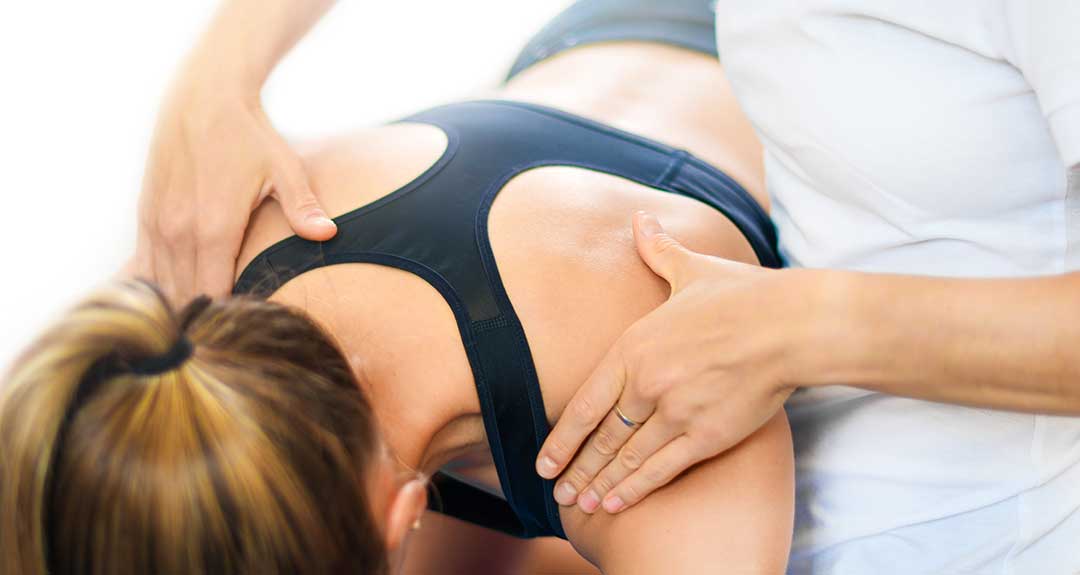
Sit or stand with the shoulders relaxed. Slowly roll both shoulders upward, backward, and downward five times. Reverse the direction for another five repetitions.
Next, reach one arm forward and then overhead only as far as comfortable. Lower it slowly and repeat with the other arm. This can be useful after reading, computer work, driving, or other activities that keep the upper body in one position.
Avoid shrugging forcefully or holding the breath.
Neck turns
Sit upright with the chin level. Slowly turn the head to look toward one shoulder, return to center, and repeat on the other side. Perform three to five repetitions in each direction.
The movement should be small and comfortable. Do not circle the head rapidly or push into pain. If neck movement causes dizziness, nausea, numbness, or unusual symptoms, stop the exercise.
Seated upper-body rotation
Sit near the front of a sturdy chair with both feet on the floor. Cross the arms over the chest or place the hands lightly on the thighs. Turn the upper body a small amount to one side, return to center, and repeat on the other side.
Keep the pelvis mostly facing forward. This exercise encourages movement through the upper back and trunk without requiring floor work.
Hip hinges
Stand with feet about hip-width apart and place the hands on the thighs. Keeping the back in a comfortable neutral position, gently bend at the hips by moving the chest slightly forward. Return to standing by pressing through the feet.
This pattern resembles reaching toward a low shelf or lifting a light object. Move slowly and avoid rounding deeply through the lower back. A countertop or chair back can provide support.
Ankle pumps and circles
While seated, straighten one leg slightly and move the foot up and down ten times. Then make five slow circles in each direction. Repeat on the other side.
Ankle mobility can be helpful after sitting for long periods. It also allows people to practice movement without placing much weight through the legs.
Sit-to-stand practice
Use a firm chair that does not roll. Sit near the edge with the feet under the knees. Lean the chest slightly forward and stand using the legs. Lower back down slowly rather than dropping into the seat.
Begin with three to five repetitions. Use the armrests or a nearby support if needed. This exercise builds practical strength for getting up from a chair, bed, or vehicle.
Supported balance practice
Stand behind a sturdy chair and lightly hold the back. Shift weight from one foot to the other, then practice lifting one heel at a time. If that feels steady, briefly lift one foot from the floor while maintaining support.
Balance exercises should be performed near a stable surface, never beside a slippery floor or cluttered area. Older adults may benefit from including balance work regularly, but the exercise should match current ability.
Should stretching be part of a mobility routine?
Yes, but stretching should follow gentle warm-up movement. Useful options include a calf stretch against a wall, a seated hamstring stretch, and a chest-opening stretch with the hands resting behind the back or on the sides of a doorway.
Hold a comfortable stretch for about 15 to 30 seconds while breathing normally. Do not bounce, force the joint, or compete with another person’s range of motion. Flexibility varies naturally between individuals, and a larger stretch is not automatically a better stretch.
Mobility work should complement, not replace, walking, strength exercises, and ordinary daily activity. A balanced routine supports movement in several ways: flexibility helps range of motion, strength helps control, and balance helps stability.
What should be avoided?
Common mistakes include moving too quickly, stretching through pain, holding the breath, and trying advanced exercises before basic movements feel steady. It is also easy to do too much after a long inactive period, especially during seasonal household projects.
Reduce the range, repetitions, or frequency if the body feels unusually sore afterward. Mild muscle tiredness can occur, but symptoms that persist, intensify, or interfere with walking and daily tasks deserve attention.
People with a recent injury, surgery, significant osteoporosis, unexplained weakness, or a known neurological or joint condition may need individualized exercise guidance before beginning a new routine. Seek prompt medical attention for chest pain, fainting, severe shortness of breath, sudden weakness, new loss of coordination, or loss of bladder or bowel control.
How can mobility exercises fit into daily life in Fallsburg?
A practical routine does not require a dedicated workout room. Shoulder rolls can be done after a period of reading or screen use. Ankle pumps work during seated tasks. Sit-to-stand practice can be added before a meal, and gentle walking indoors can help on days when snow, ice, rain, or cold temperatures make outdoor activity less appealing.
During warmer months, begin yardwork with several minutes of easy movement rather than starting with heavy lifting. Break repetitive tasks into shorter periods and change positions regularly. During winter, keep the exercise area indoors and well lit, especially when balance work is included.
The most useful routine is one that can be performed safely, comfortably, and consistently. Mobility exercises should support everyday movement—not create a new source of strain.
