
 See Our Latest Article on HelloNation
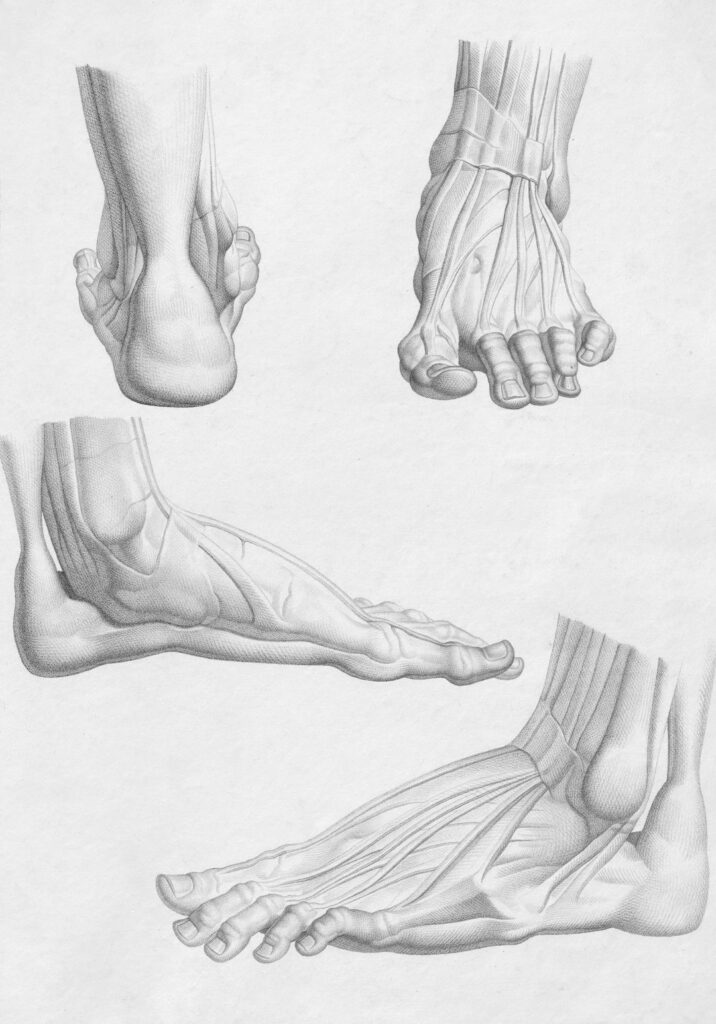
Foot pain and spinal alignment can be connected through the way the body absorbs force during standing and walking. A painful foot may change a person’s stride, while altered alignment in the ankle, knee, pelvis, or lower back can increase stress on the foot.
That does not mean every case of foot pain comes from the spine, or that every back problem begins in the feet. The relationship is usually indirect and depends on movement patterns, muscle strength, footwear, injuries, and daily activity.
How can foot pain affect the spine?
Foot pain often changes the way a person walks. Someone with heel pain may shorten their stride, avoid pushing off the toes, place more weight on the outside of the foot, or lean slightly to one side. These adjustments may reduce discomfort in the short term, but they can shift stress upward through the legs and pelvis.
The body works as a connected movement system:
- The foot contacts the ground and absorbs impact.
- The ankle helps control forward motion and balance.
- The knee and hip respond to changes in foot position.
- The pelvis adjusts to keep the upper body steady.
- The spine and surrounding muscles help maintain balance.
A small change at the foot does not automatically create a spinal problem. However, repeated changes in walking mechanics may contribute to muscle fatigue, uneven loading, or discomfort in the hips and lower back.
Can flat feet or overpronation cause back pain?
Flat feet and overpronation may contribute to back discomfort in some people, but the connection is not universal. Overpronation occurs when the foot rolls inward more than usual during weight-bearing. This can alter the position and movement of the ankle, shin, knee, and hip.
In some cases, the inward movement of the lower limb is followed by changes in pelvic motion. The muscles around the lower back may then work harder to keep the trunk level during walking or standing.
Research has found associations between certain foot and lower-limb alignment patterns and low back pain, but these relationships are complex. A person can have flat feet without pain, while another person with a similar foot shape may experience symptoms because of weakness, limited ankle motion, a previous injury, or an increase in activity.
Foot shape alone is not enough to identify the source of back pain.
Can spinal alignment contribute to foot pain?
Yes. Changes in the hips, pelvis, or lower back can affect the way weight is distributed through the legs and feet. For example, stiffness in the hip or weakness in the muscles that stabilize the pelvis may change the position of the knee and ankle during walking.
A person with back or hip discomfort may also shift weight away from one side. Over time, that uneven pattern can increase pressure on one heel, the ball of the foot, or the outer edge of the foot.
Nerve-related problems in the lower spine can create symptoms that are felt in the leg or foot. These symptoms may include burning, tingling, numbness, weakness, or pain that travels below the knee. Such symptoms are different from typical soreness caused by standing, walking, or local foot irritation and should be evaluated carefully.
What foot problems are most likely to influence walking mechanics?
Several common conditions can change how a person moves:
- Plantar heel pain, often worse with the first steps after resting
- Achilles tendon irritation
- Ankle sprains or lingering ankle instability
- Bunions or painful changes at the big toe
- Stress injuries
- Arthritis in the foot or ankle
- Loss of strength after an injury or period of reduced activity
- Calluses or pressure points that make normal weight-bearing uncomfortable
Pain in any of these areas may lead to limping or reduced push-off. The longer an altered walking pattern continues, the more likely it is to affect muscles higher in the leg and trunk.
What does this mean for people in Fallsburg?
Seasonal conditions can influence foot and spinal mechanics. During winter, ice, packed snow, and uneven walking surfaces may cause people to take shorter steps, tense their muscles, or walk with the feet turned outward for extra stability. Heavy winter footwear can also feel stiff or change the way the foot bends during walking.
In warmer months, longer walks, yard work, hiking, home repairs, and increased outdoor activity may place sudden demands on the feet and back. A gradual increase in activity is generally easier for the body to tolerate than a sharp change after a period of relative inactivity.
At home, frequently used walkways should be well lit and kept as level and clear as practical. Safe walking conditions reduce the chance of a foot or ankle injury that later changes posture.
Are special shoes or orthotics always necessary?
No. Supportive footwear or an insert may help some people, but it is not automatically needed for every foot or back complaint. The most useful choice depends on the problem being addressed.

Helpful footwear characteristics may include:
- A comfortable fit with enough room for the toes
- A stable sole that is not excessively worn
- Adequate cushioning for the person’s activity
- A heel that does not force the foot into an uncomfortable position
- Secure fastening that keeps the foot from sliding
A new insert should not cause significant pain, numbness, or a major change in walking. If symptoms worsen after using one, it may not be appropriate for that person or may need adjustment.
The research on foot orthotics and low back pain is mixed. Some people report improvement, but an insert does not correct every cause of foot or spinal pain. Strength, mobility, balance, activity habits, and the underlying diagnosis also matter.
What can be checked at home?
A simple observation can provide useful information, although it cannot replace an examination. Notice whether:
- One shoe wears down much faster than the other
- Pain causes a limp or shortened stride
- The feet turn inward or outward during walking
- One arch appears to flatten more than the other
- Symptoms change after standing for a long time
- Pain improves or worsens with different footwear
- Numbness, tingling, or weakness is present
It can also help to keep a short record of when symptoms occur, what activity preceded them, and whether pain is located in the heel, arch, toes, ankle, calf, hip, or back.
When should foot or back pain be evaluated?
Persistent pain, repeated limping, or symptoms that interfere with normal walking deserve attention. An evaluation is especially appropriate after a fall, twisting injury, sudden increase in activity, or suspected stress injury.
Prompt medical evaluation is warranted for a foot that is hot, red, severely swollen, or associated with fever; inability to bear weight; rapidly worsening pain; or a significant injury. Back pain with new loss of bladder or bowel control, numbness in the groin area, progressive leg weakness, or severe symptoms after trauma requires urgent attention.
A chiropractor may assess movement, joint mobility, muscle function, and spinal mechanics, but foot pain may also involve the tendons, bones, nerves, skin, or joints. Depending on the symptoms, evaluation by a medical clinician, physical therapist, podiatric clinician, or other qualified provider may be appropriate.
The practical lesson is that foot pain and spinal alignment should be considered together without assuming that one automatically caused the other. Looking at the entire movement pattern often provides a clearer explanation than focusing only on the painful spot.
