
 See Our Latest Article on HelloNation
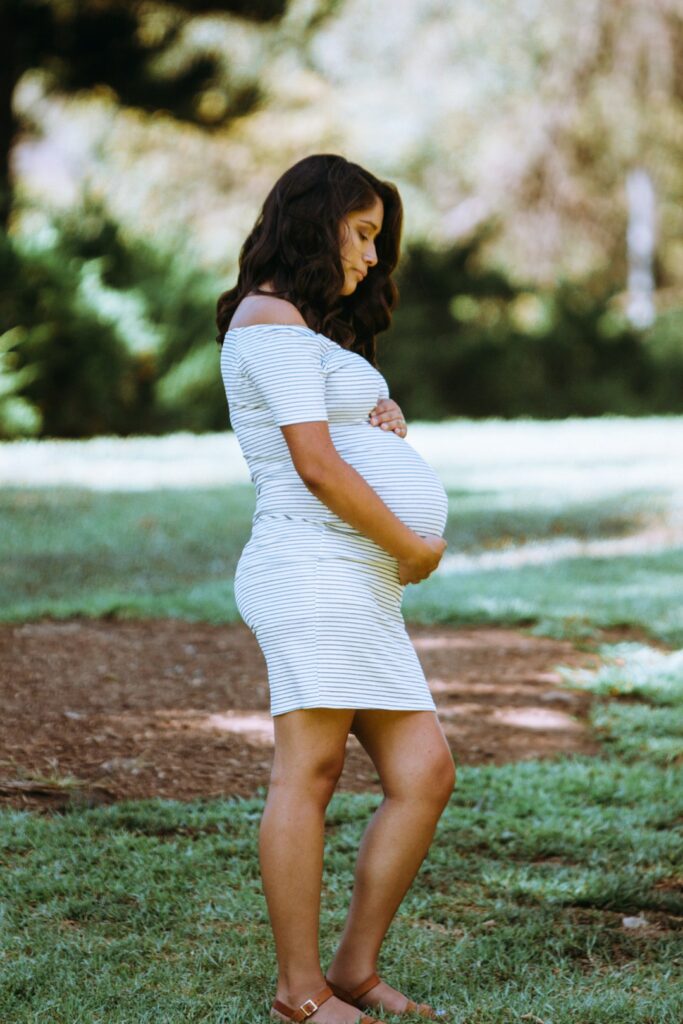
Pregnancy-related back pain is common, but it should not automatically be dismissed as something that must simply be endured. Changes in posture, weight distribution, ligaments, muscles, and the pelvis can all place extra stress on the lower back. For residents of Fallsburg, NY, everyday conditions such as icy walkways, snow removal, long drives, and uneven outdoor surfaces may add to that strain.
Most mild back pain can be managed with gentle movement, improved body mechanics, supportive positioning, and guidance from the pregnancy care team. Severe, sudden, or unusual pain needs medical attention.
Why does pregnancy cause back pain?
Pregnancy changes the way the body carries weight. As the abdomen grows, the center of gravity shifts forward, which may encourage a person to lean backward or increase the curve of the lower spine. The abdominal muscles also stretch, reducing some of the support normally provided to the back.
Pregnancy hormones loosen certain ligaments around the pelvis in preparation for delivery. This is a normal process, but it can make the pelvic joints feel less stable and contribute to aching in the low back, hips, buttocks, or pelvis.
Back pain may feel like:
- A dull ache across the lower back
- Soreness after standing, walking, or sitting
- Pain that spreads toward the hips or buttocks
- Stiffness when turning in bed or getting up from a chair
- Discomfort that worsens after lifting, bending, or climbing stairs
What gentle movements may help?
For most people with an uncomplicated pregnancy, staying reasonably active is safer and more helpful than prolonged bed rest. Walking, gentle water exercise, and pregnancy-appropriate stretching can help maintain strength and reduce stiffness.
A simple hands-and-knees movement may ease mild lower-back tension:
1. Begin on hands and knees, with hands below the shoulders and knees below the hips.
2. Keep the neck relaxed and the spine in a comfortable neutral position.
3. Gently tighten the abdominal muscles and round the back slightly.
4. Hold for a few seconds, then slowly return to a neutral position.
5. Repeat up to 10 times if the movement feels comfortable.
Movement should remain controlled and pain-free. Stop if symptoms become sharper, radiate down a leg, cause dizziness, or feel different from ordinary muscle soreness.
After about the middle of pregnancy, avoid exercises that require lying flat on the back for extended periods. A side-lying, seated, standing, or hands-and-knees position is usually more comfortable.
How can posture and daily habits reduce strain?
Small adjustments often matter more than a single stretch. When standing, keep the knees relaxed rather than locked, let the shoulders rest naturally, and distribute weight evenly between both feet. If standing for a long time, placing one foot on a low step can reduce pressure on the lower back.
When sitting, choose a chair with firm support and place a small cushion behind the lower back if needed. Change positions regularly instead of remaining seated for hours. During long drives or winter travel, brief movement breaks can help prevent stiffness.
For lifting:
- Move close to the object before picking it up.
- Bend at the knees and hips instead of folding at the waist.
- Keep the back as straight as is comfortable.
- Hold the object close to the body.
- Avoid twisting while lifting.
- Ask for help with heavy bags, snow-related equipment, furniture, or wet laundry.
In a snowy climate, clearing walkways and carrying slippery loads can create fall risks. Use stable footwear and avoid rushing over ice or uneven ground.
What sleeping positions may be more comfortable?
Side sleeping often reduces strain as pregnancy progresses. A pillow between the knees can help keep the hips and pelvis aligned. Some people also benefit from a pillow under the abdomen or behind the back.
Getting in and out of bed may be easier by rolling onto the side first, keeping the knees together, and using the arms to help push up. This can reduce sudden twisting through the pelvis.
A mattress that is excessively soft may allow the hips to sink and increase morning soreness. Supportive bedding should feel comfortable without creating pressure points.
Are heat, cold, massage, or support belts safe?
A warm—not hot—heating pad or warm water bottle may relax tight muscles. Use the lowest comfortable setting, place a cloth between the heat source and the skin, and limit the application to short periods. Avoid overheating the body or falling asleep on a heating pad.

A cold pack wrapped in a towel may help after an activity that causes soreness. Apply it for a brief period and stop if the skin becomes numb or painful.
Gentle massage can provide temporary relief. It should not involve forceful pressure over the abdomen, painful joints, or areas that are swollen, red, or unusually tender.
Pregnancy support garments or pelvic belts help some people, but they are not right for everyone and may be uncomfortable if worn too tightly. Position and fit matter. A prenatal care professional or qualified physical therapist can explain whether a support device is appropriate.
Can chiropractic care be used during pregnancy?
Some pregnant people explore chiropractic care or other hands-on treatment for back or pelvic discomfort. Research suggests that certain manual approaches may help some patients, but treatment should be adapted to pregnancy and should never replace evaluation of warning signs.
Anyone considering chiropractic care during pregnancy should disclose the pregnancy, gestational age, symptoms, medical history, and any pregnancy complications. Treatment should be gentle, avoid unnecessary force, and be coordinated with the person’s prenatal care when appropriate.
Pain that is severe, persistent, rapidly worsening, or associated with neurological symptoms should be medically evaluated rather than treated only with spinal manipulation.
Which pain medicines are safe?
Do not start, stop, or change pain medicine during pregnancy without checking with the prenatal care team or a pharmacist. Acetaminophen is commonly discussed for pregnancy-related pain, but personal health factors and dosing limits still matter.
Nonsteroidal anti-inflammatory drugs, such as ibuprofen or naproxen, may not be appropriate during pregnancy, particularly later in pregnancy. Prescription medicines, topical products, supplements, and herbal remedies also require review because “natural” does not always mean safe.
When is pregnancy back pain a warning sign?
Contact the pregnancy care team promptly for back pain accompanied by:
- Vaginal bleeding or fluid leakage
- Regular contractions or cramping
- Fever or chills
- Burning or pain with urination
- Pain in the side or under the ribs
- Sudden severe pain
- Pain after a fall or other injury
- New weakness, numbness, or difficulty walking
- Loss of feeling in the legs, buttocks, or genital area
Back pain during the second or third trimester can sometimes be associated with early labor, infection, or another condition requiring treatment. Emergency evaluation is appropriate for loss of bladder or bowel control, major weakness, severe numbness, chest symptoms, or a serious fall.
Pain that continues for more than a couple of weeks, interferes with sleep or daily activities, or keeps returning deserves discussion with the prenatal care team. A pregnancy-informed physical therapist may provide individualized exercises and movement strategies when home measures are not enough.
